Jon Whitmore Counselling

supporting survivors of trauma


Services & FEES
I offer counselling to all genders, and can support adult survivors of trauma shed the tremendous weight and pressure all too often carried as a result their experiences.I have particular experience supporting male and non binary survivors of rape and other sexual assault, developed through my work in specialist services. I understand how experiences of sexual harm can be shaped by gender, sexuality, stigma, silence, and minority stress, and I aim to offer a space where these complexities can be explored safely.I also offer therapy outdoors and always provide creative materials in session, which often enables clients to connect with what's going on for them.Fees
Sessions are £55 for 50 minutes.Payment is required at least 24 hours before each session and can be made by bank transfer, card or cash. If a session is missed or cancelled with less than 24 hours’ notice, the fee is non‑refundable.
I am committed to providing an LGBTQIA+ affirmative practice, consider myself an ally to people of colour and to provide a sex & kink positive space. My trauma-informed approach recognizes the unique impact of minority stress and systemic challenges on mental well-being.

Where I work
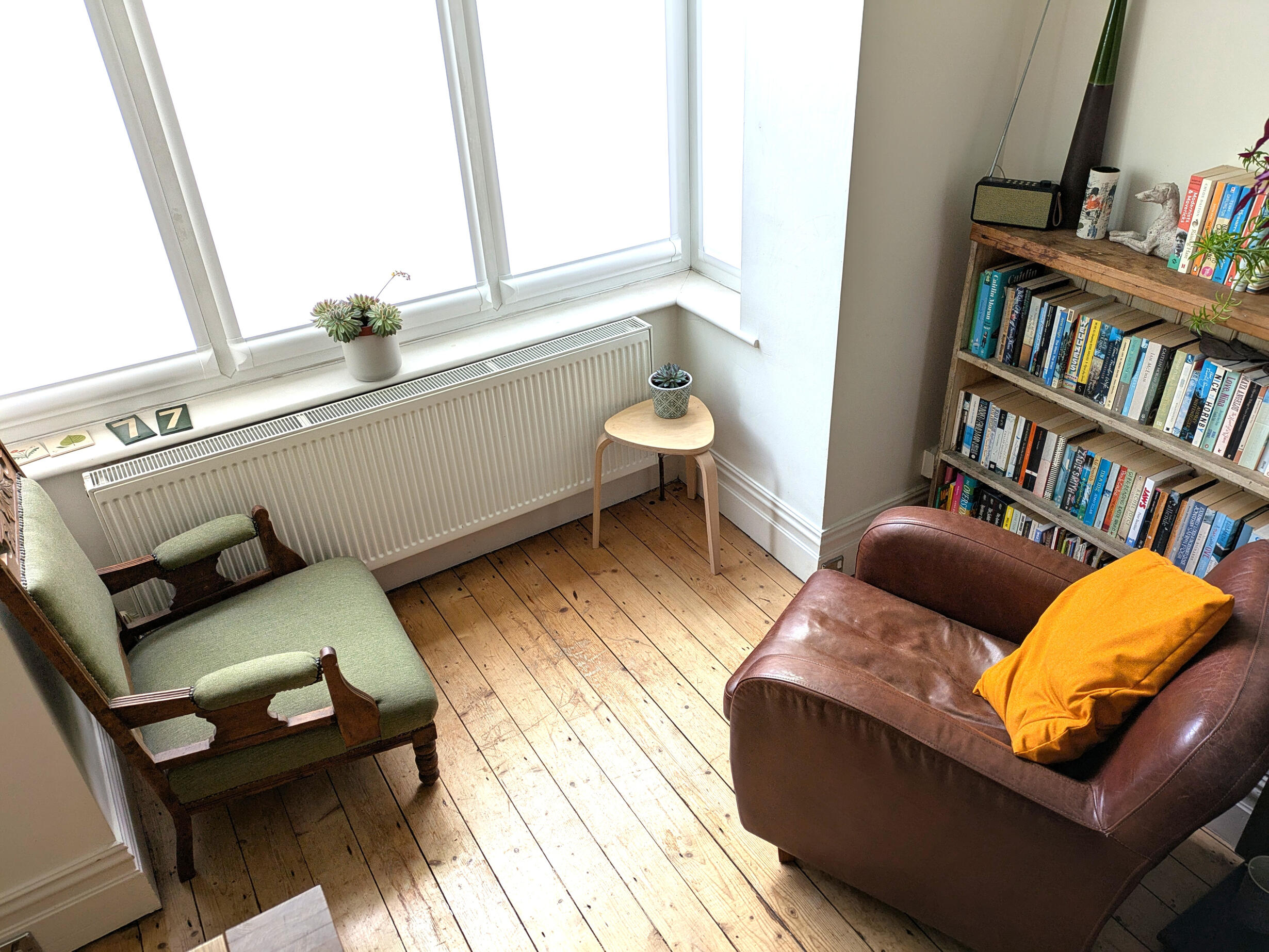
I offer face to face therapy at my home in Bingley (BD16) and work online.I also offer face to face sessions in woodland, riverside or moorland settings in the Bingley/Shipley area of West Yorkshire.Accessibility
The therapy space at my home is on the ground floor and close to the front door, although I would say that my home is not fully accessible. I would be happy to provide further details.If you have impairments that might affect your mobility and you want to work outdoors, we can chose a space that matches what you are able to navigate.Please note - there are no toilet facilities available for client use at my home address.

What to expect
When you first make contact, I will usually suggest a free 15–30 minute introductory phone or online call. This gives you a chance to see whether working together feels right, as the relationship between client and therapist is central to effective therapy.I will also use this call to ask some initial questions to help me understand how best I can support you. These may include whether you have any goals for therapy, what your previous experience of counselling has been like (if any), and whether you are currently experiencing thoughts of harming yourself. You do not need to arrive with clear goals — therapy can still be effective without them.If you decide that you would like to continue, we can then arrange your first session. Before or during that session, I will ask you to sign a therapy contract, which sets out the practical and ethical conditions of how we work together. A copy of my contract is available here.In the early sessions, I may ask about your wider support network (including how nature supports you, if you want to work outside), what helps to soothe or ground you, and any relevant prescription medication you are taking. This helps build a fuller picture of your context and needs.If/whenever we work outside, I will encourage you to use technology to share your live location with a trusted third party, to give you the confidence that I always put your comfort and safety first.My approach is collaborative, supportive and respectful, but not passive. When the therapeutic relationship feels strong enough, I may gently challenge you, for example by noticing contradictions or patterns in what you say. This is done to help you view your situation from different perspectives and to support clearer thinking, not to judge or tell you what to do. I won’t offer advice; instead, I support you to explore your own options and make your own decisions.We will regularly review how therapy is going, checking whether it feels helpful and whether you want to change how we are working. Sometimes this may include brief questionnaires. The length of time we work together is always agreed collaboratively, taking account of progress, circumstances and budget.


About me
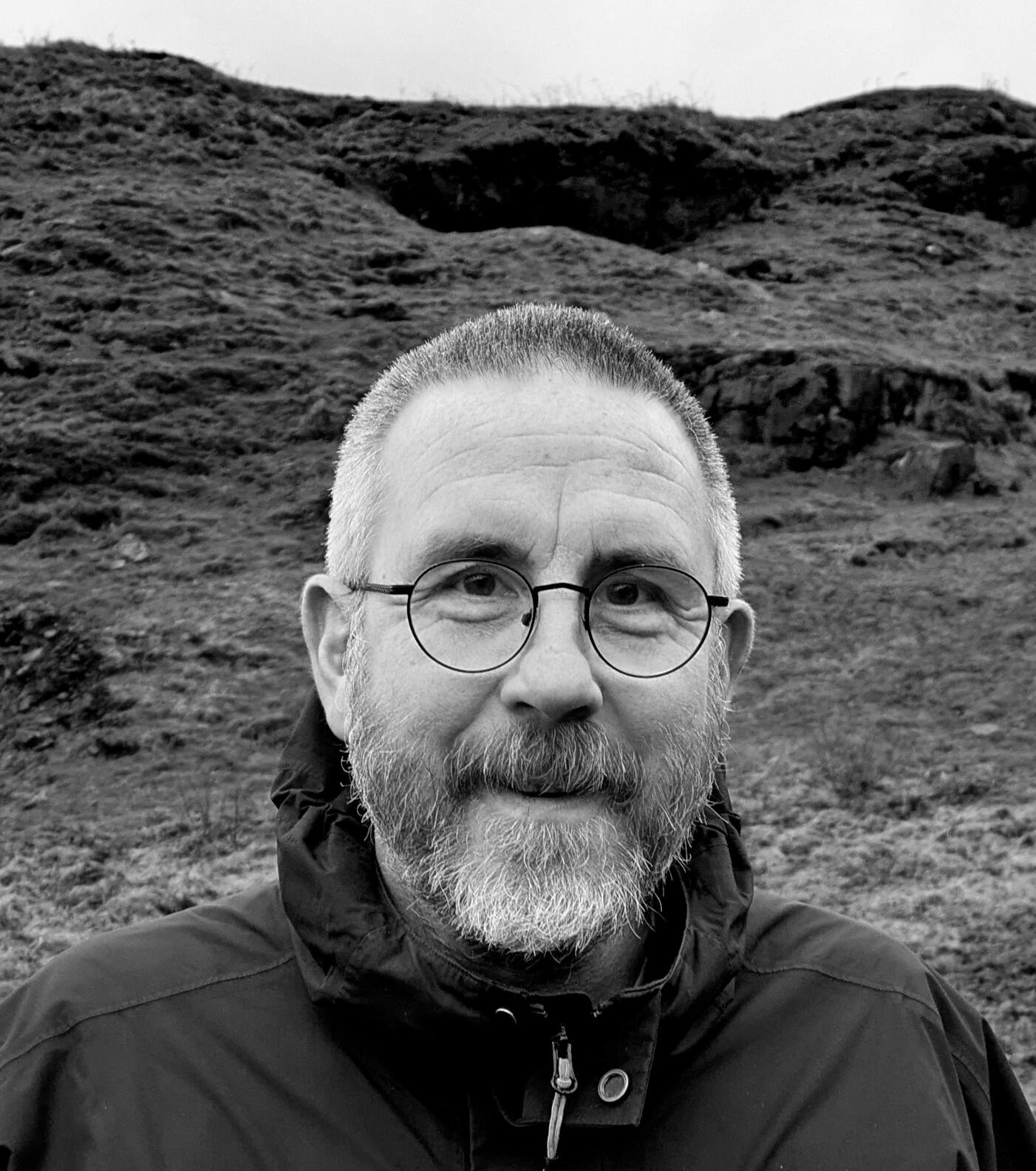
I am a white British, straight, cis male (pronouns he/him) in my early fifties.My experienceI have experience of a wide range of client material, especially broadened whilst employed as a Trauma Informed Therapist at We Are Survivors (a charity supporting male and non-binary survivors of sexual harm, and their supporters), whilst working at the Marie Curie Hospice in Bradford, and with inmates at Leeds Prison.Material clients have brought includes difficulties with romantic and/or familial relationships, neurodivergence, bereavement and loss, sexuality, trauma (physical and emotional), suicidality, self-harm, guilt, shame, ageing, gender, loneliness, racism and societal inequalities.Qualifications- I am currently completing a Practitioner License in Person-centred Experiential Counselling for Depression (Metanoia Institute), a type of therapy used in the NHS
- Understanding Therapeutic Practice in Outdoor Natural Spaces (Centre for Natural Reflection). This training has enabled me to use, and maximise the value of, outdoor space as a third party in the therapeutic process, as well as appropriately and safely support clients in an outdoor setting.
- An introduction to working with male survivors of sexual harm (The Consent Collective).
- Post-graduate diploma in Counselling and Psychotherapy (Leeds Beckett University).
- Level 3 Certificate in Counselling Studies (West Yorkshire Counselling Training).About me
I was fortunate when growing up, in being able to get outside easily, and that’s where I liked to be. It didn’t matter whether ‘outside’ was the road outside the house, the local school playing field, by the edge of a stream or sitting in the shade of a hedge at the edge of a field. Further opportunities when younger enabled me to experience dramatic landscapes such as the drained peatlands of Kinder Scout in the Dark Peak, the vast skies of the fenlands of East Anglia, and the dramatic coastline of the south west. Ultimately however, I get as much from watching the directional decisions of a scuttling woodlouse as I do from drinking in the variety and scale of a glacial valley in north Wales.This regular and long standing experiencing of nature and natural processes has always felt like more than simply observing; it’s like a welcome and comforting entanglement, a nourishing ‘being part of’. Only as I learned more about ecopsychology did I obtain the vocabulary to better describe this connection with the natural world around me, as my ‘ecological self’, and really recognise not only the calming effect of being in touch with the natural world, but also the emotionally restorative value of this connection. More recently, I have started to notice, and feel more attuned to, the power and variety of the built environment as well, and more keenly recognise the emotional impact of the form and scale of human constructions.As a result of my love of the natural environment, I embarked on a career as a freshwater ecologist before retraining as a psychotherapist. I moved into the field of talking therapy following an impactful experience of counselling, as a client; I experienced how supportive and healing a completely non-judgemental, therapeutic relationship can be. The value of feeling such a connection prompted me to become a Samaritans listening volunteer, which I did for a few years, before I then decided to re-train as a counsellor.

Contact
If you have any queries or want to book a session, I would be pleased to hear from you so please get in touch via email or phone, or by completing the form below. If I am not immediately available, I aim to get back to you before the end of the next working day.Email: [email protected]Tel: 07364 128716
ComplaintsI am a registered member of the British Association For Counselling and Psychotherapy. My membership number is 01004613.Information about how to complain to the BACP about the service I provide can be found here:[How to complain about a BACP member]
(https://www.bacp.co.uk/about-us/protecting-the-public/professional-conduct/how-to-complain-about-a-bacp-member/)
Out of hours supportIf you feel you are in immediate need of support, (for example, you are experiencing feelings of wanting to commit suicide or harm yourself or another) please call 999, or contact the Samaritans on 116 123 or by email at [email protected]If you need a different type of help or assistance, please contact one of the organisations below:Ann Craft Trust
0115 951 5400 • www.anncrafttrust.org
Safeguarding disabled children and adults at risk of abuseChildline
0800 1111 • www.childline.org.uk
Advise and support for children and young peopleGalop
0800 999 5428 • www.galop.org.uk/domesticabuse
Lesbian, gay, bisexual and trans people experiencing domestic abuseLGBTQ and ALL
www.lgbtqandall.com
LGBTQ mental health and gender confirmation resources from around the worldRespect - Men’s Advice Line
0808 801 0327 • www.mensadviceline.org.uk
Helpline for men affected by domestic abuseMind
0300 123 3393 • www.mind.org.uk
Email: [email protected]National Domestic Violence Helpline
0808 2000 247 • www.nationaldahelpline.org.uk/
Information and advice around domestic abuseNSPCC
0808 800 5000 • www.nspcc.org.uk
Protecting children from abuse and neglectNational Centre for Domestic Violence
020 3866 4107 • www.ncdv.org.uk
A free, fast emergency injunction service to those at risk of all forms of domestic abuseRape Crisis
0808 500 2222 • www.rapecrisis.org.uk
Specialist services to those affected by sexual violence in England & WalesRespect helpline
Men’s advice line - 0808 802 4040 • www.respect.uk.net
For anyone worried that they may be harming someone elseRights of Women
www.rightsofwomen.org.uk
Free legal advice for WomenSafeLives
www.safelives.org.uk
Charity dedicated to ending domestic abuse, for everyone and for goodShelter
0808 800 4444 • www.shelter.org.uk
Advice for people with housing needsSamaritans
116 123 • www.samaritans.org • [email protected]
24/7 emotional support for anyone in crisisSupport Line
01708 765 200 • www.supportline.org.uk
Emotional support for adults, young adults and childrenSurvivors UK
Chat via SMS 020 3322 1860 • www.survivorsuk.org
Support for boys, men and non-binary people overcoming sexual abuse and rapeVictim Support Helpline
0808 1689 111 • www.victimsupport.org.uk
Emotional support for anyone affected by crime – whether recent or historicalWomen’s Aid
www.womensaid.org.uk
Support for women and children living with domestic violence
Policies
My Privacy Policy is downloadable using the below link:
Privacy PolicyMy contract for therapy is downloadable using the below link:
Therapy Contract
ecopsychotherapy, outdoor therapy, nature therapy, biophilia, psychotherapy, outdoor therapy, Ecopsychology

Reflections
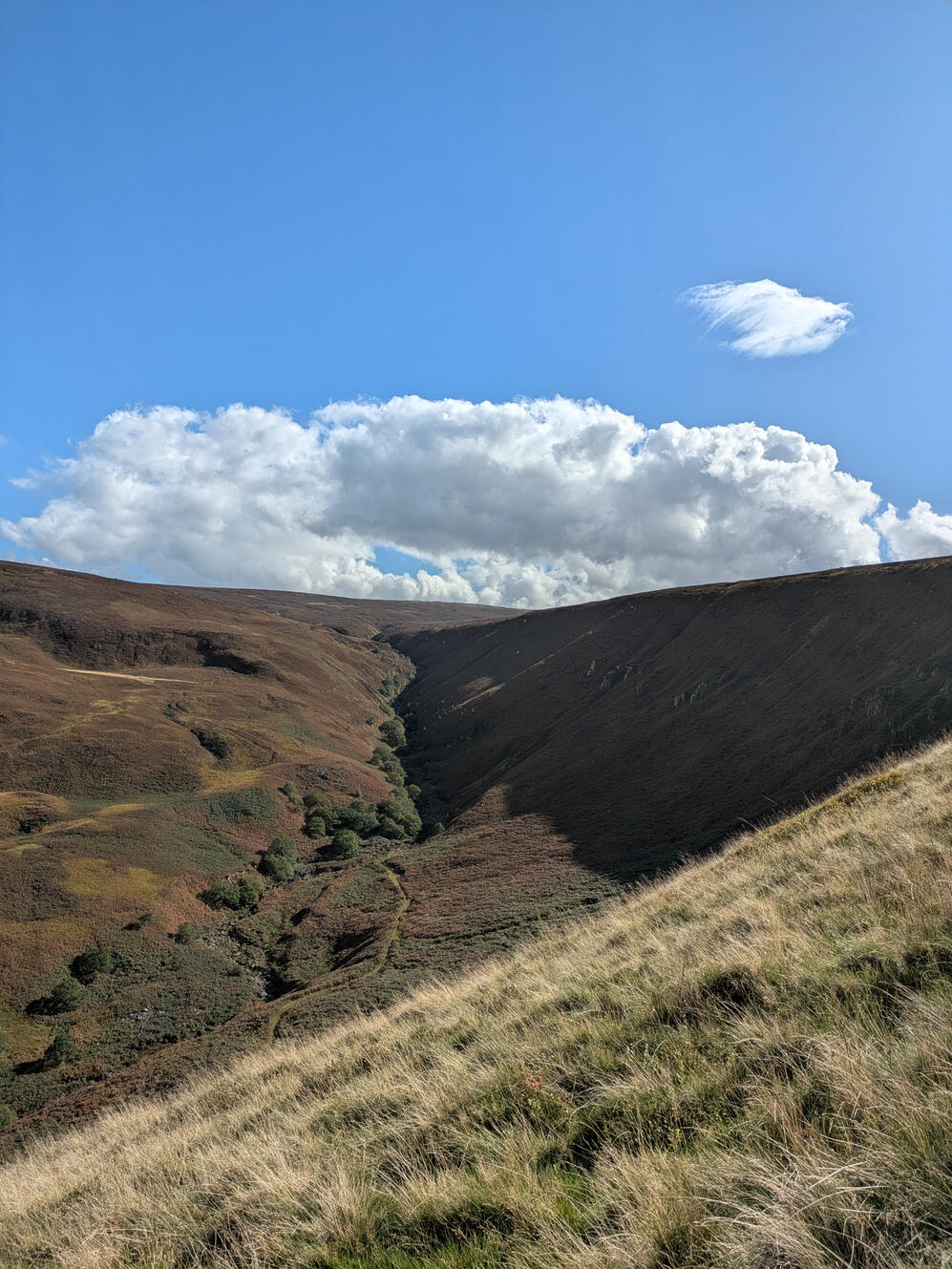
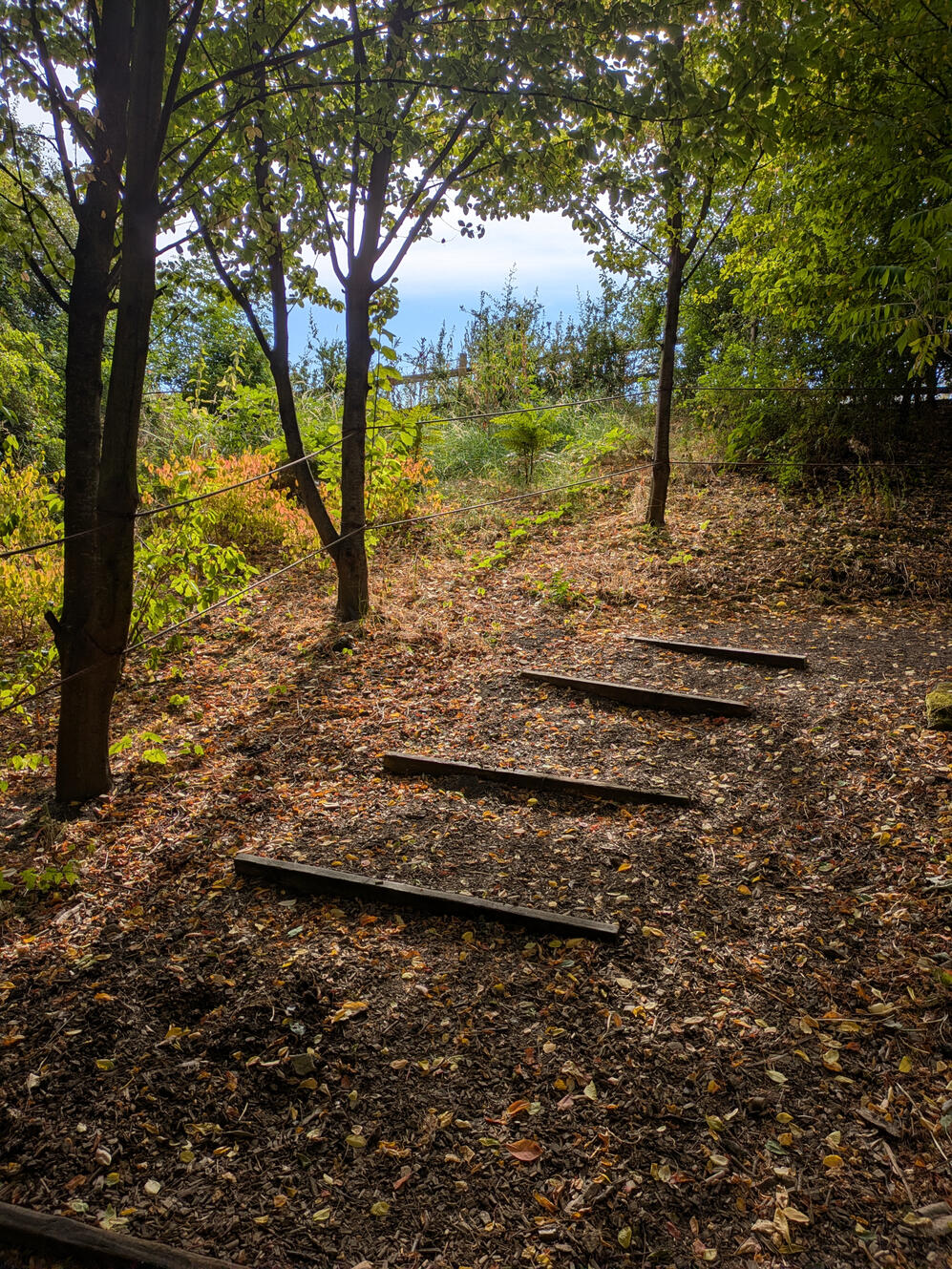
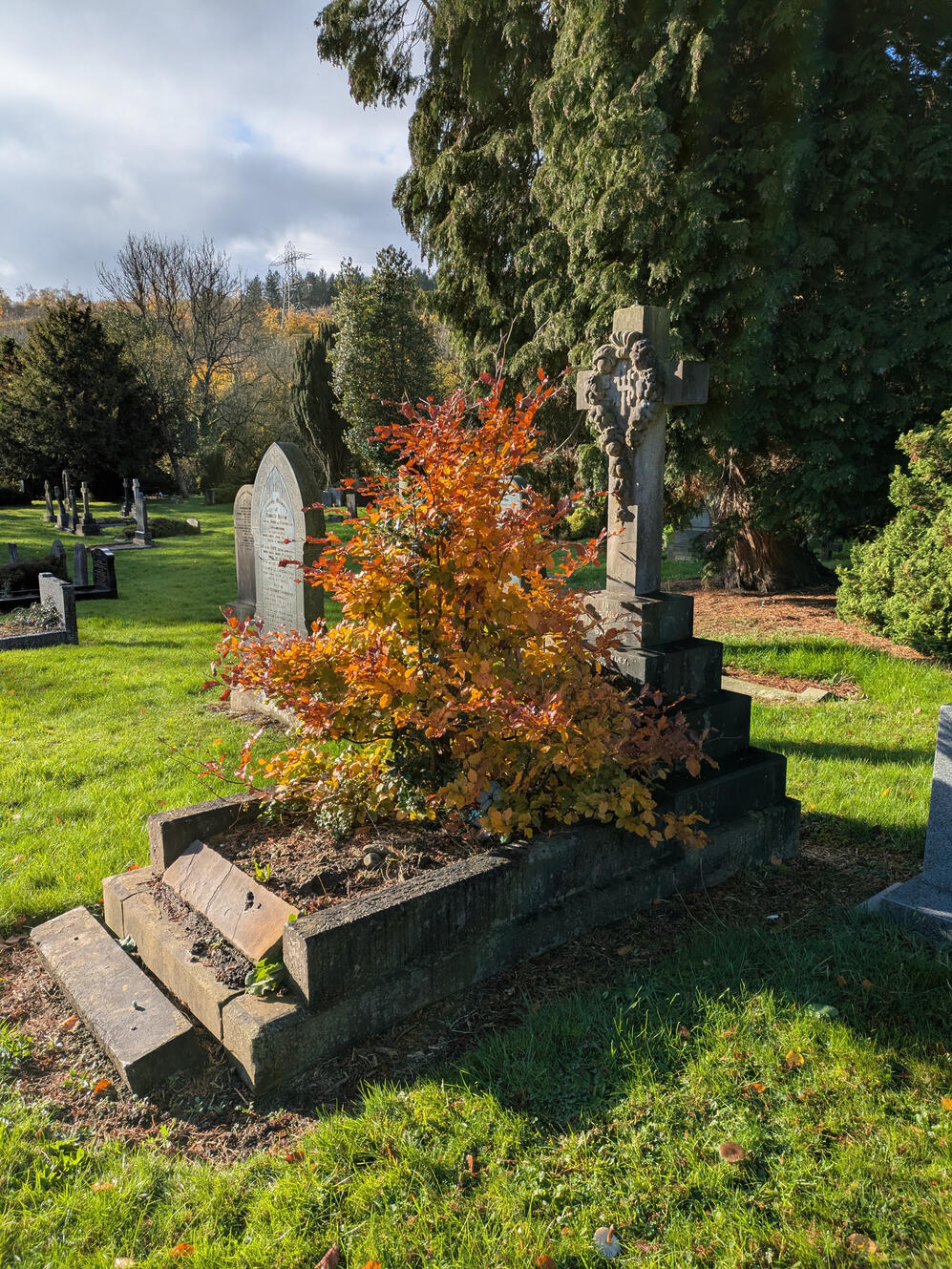
Below includes photos of moments that have left me with something, and some writings.None of the pics are filtered, although they're not intended to be artistically great; I just found something in each of the experiences.
Starting in HMP Manchester (Strangeways)!Excited to be starting work in the autumn as a Trauma Informed Therapist with the We Are Survivors Out Spoken service, providing therapy support to inmates at HMP Manchester (what was Strangeways).
My time in HMP Leeds was both incredibly rewarding and difficult, and one of the most valuable learning experiences of my life, so going back to working in the prison estate is something I'm massively looking forward to.
The only way this will affect my private practice service is that it will give me more experiences to enable me to better support the clients I work with in West Yorkshire and online.
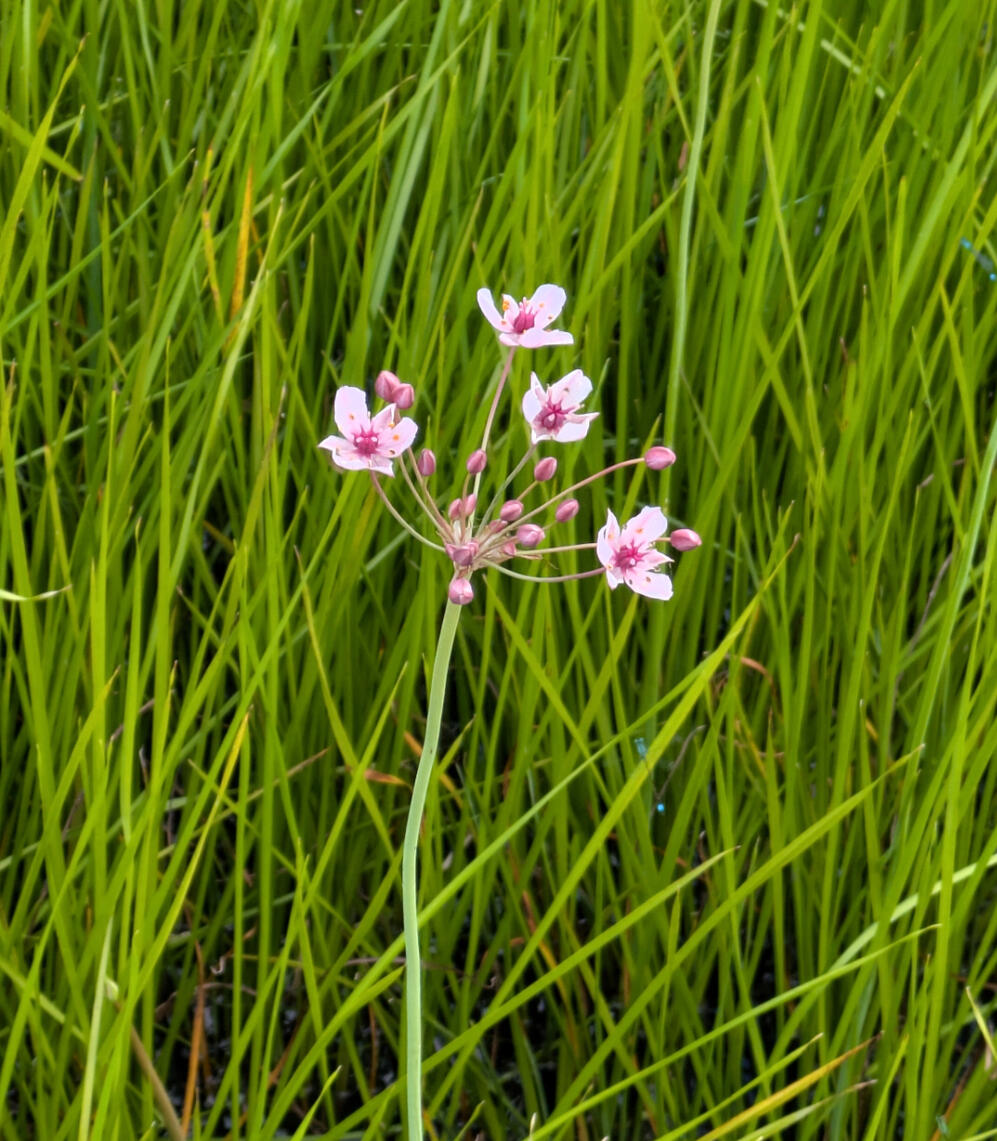
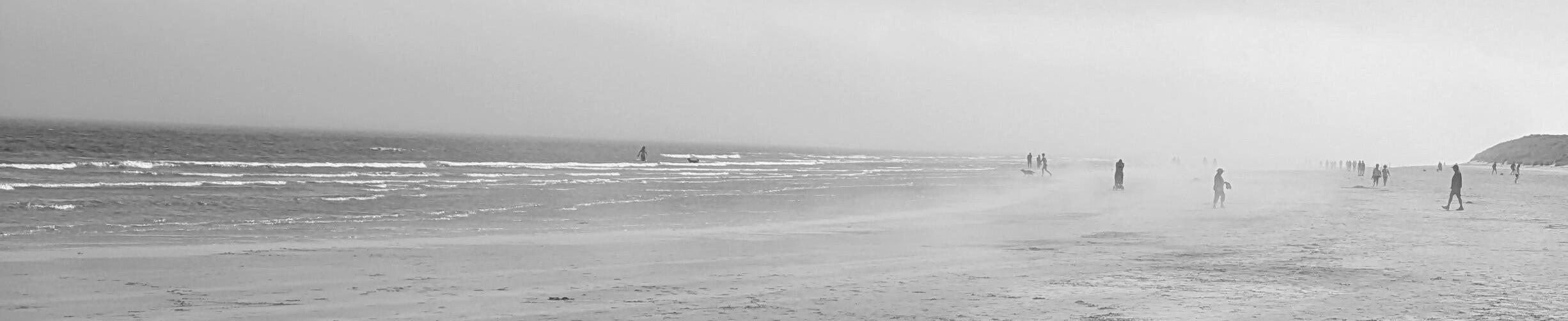
(this one is obviously B&W filtered... couldn't resist;) )
Self-swab "rape kits."
As a therapist, I know how critical safe spaces and clear, honest information are for anyone recovering from trauma.
The Advertising Standards Authority (ASA) recently banned misleading advertisements for commercial, unregulated self-swab "rape kits." The ruling confirmed that some of the claims made about these kits—specifically regarding the admissibility of self-gathered evidence in court—could not be substantiated and gave survivors false hope.
While the desire for control after an assault is entirely understandable, forensic experts and the Victims’ Commissioner warn that self-swabbing risks cross-contamination and can inadvertently undermine a legal investigation. More importantly, using them in isolation bypasses vital safeguarding and emotional care.
True healing requires supported, professional care. Sexual Assault Referral Centres (SARCs) remain the safest option for both forensic integrity and immediate medical support. If you or someone you know is navigating the aftermath of trauma, please know you do not have to carry it alone; safe, compassionate therapeutic support is always available.
Men and Mental Health: Key Insights from the 2026 BACP Survey
The latest British Association for Counselling and Psychotherapy (BACP) Public Perceptions Survey highlights shifting, yet complex, attitudes toward mental health among men in the UK.
According to the data, 60% of men have experienced a mental health issue within the last five years, with anxiety (38%) and depression (31%) identified as the most common struggles. Despite these widespread challenges, men are significantly less likely than women to seek therapeutic support; only 29% of men report having ever seen a therapist, compared to 44% of women.
A major barrier to seeking help remains a sense of stigma. Notably, 29% of men still view attending therapy as "self-indulgent." While this figure marks a positive decline from 34% in 2025, it remains twice as high as the percentage of women who share the same view (14%).To close this gap, we must redefine therapy not as an indulgence, but as an essential act of practical maintenance. Investing in your mental well-being is a proactive step that builds the resilience needed to support your loved ones. By addressing your own struggles, you secure the emotional stability required to show up fully and sustain your vital role within your family system—chosen or biological. Taking action for yourself is ultimately an act of care for them.
Research supporting survivors
This week, I presented at Northumbria University's Supporting Survivors of Sexual Violence and Abuse conference. The presentation, with co-author and fellow counsellor Sarah Wittams-Howarth, was titled Survivorship and Environmental Equity: A Universal Social Justice Issue.
Our presentation argues that in order to build true climate resilience, we must make natural spaces safe and accessible for everyone. We outlined a three-part approach: eliminating accessibility barriers, implementing trauma-informed outdoor design, and actively challenging harassment using expert training from organizations like HASSL and the Suzy Lamplugh Trust.
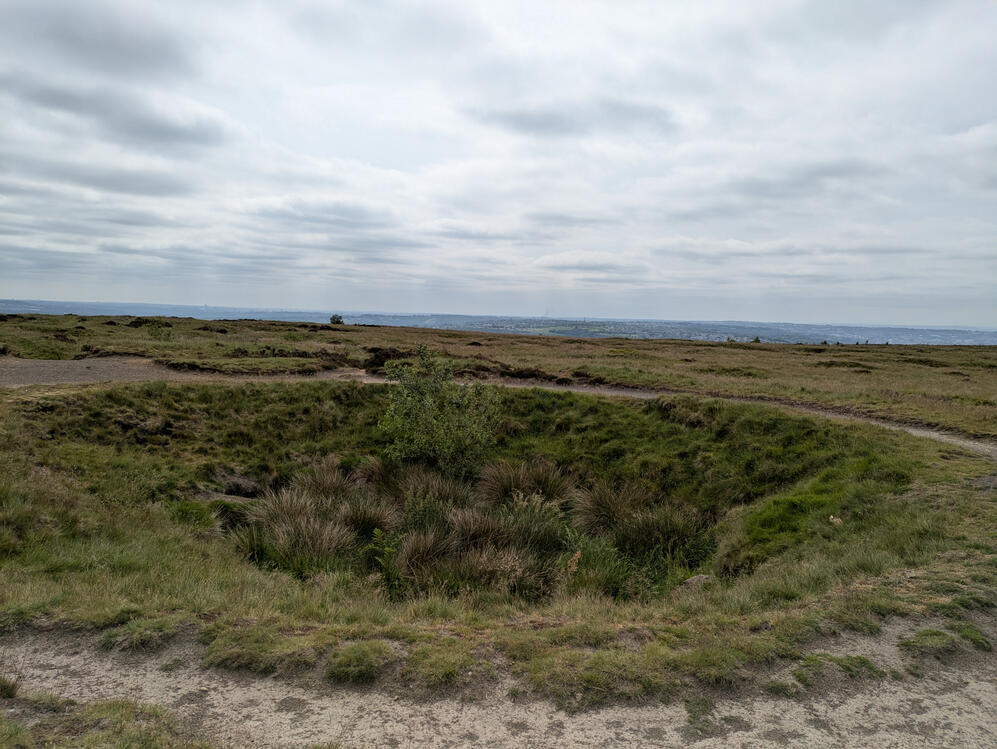
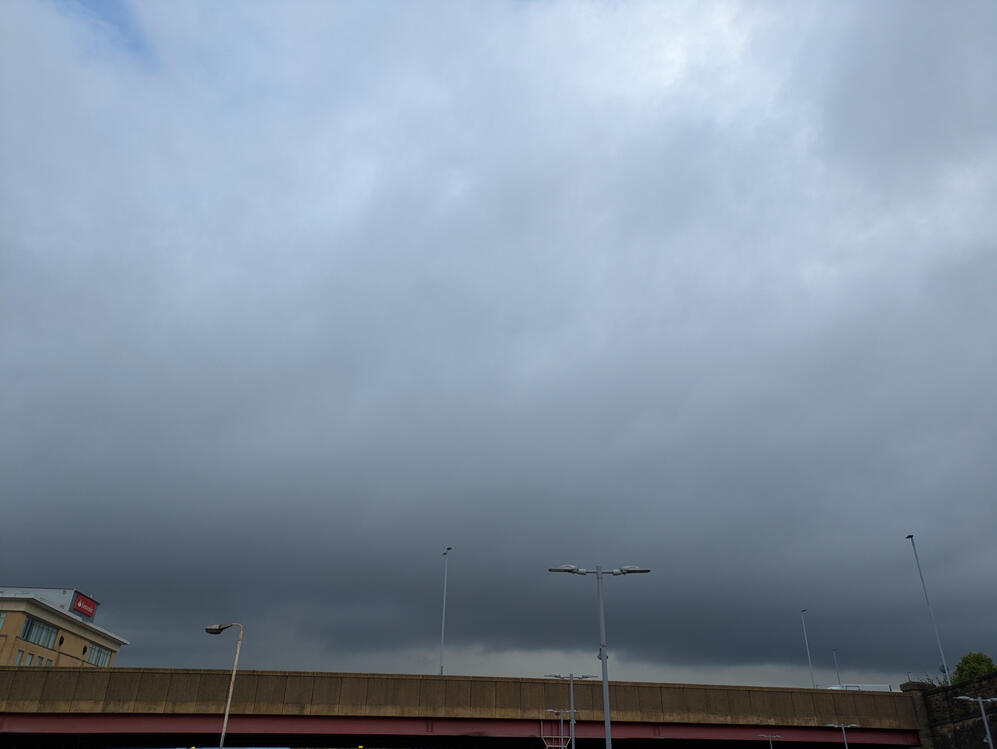
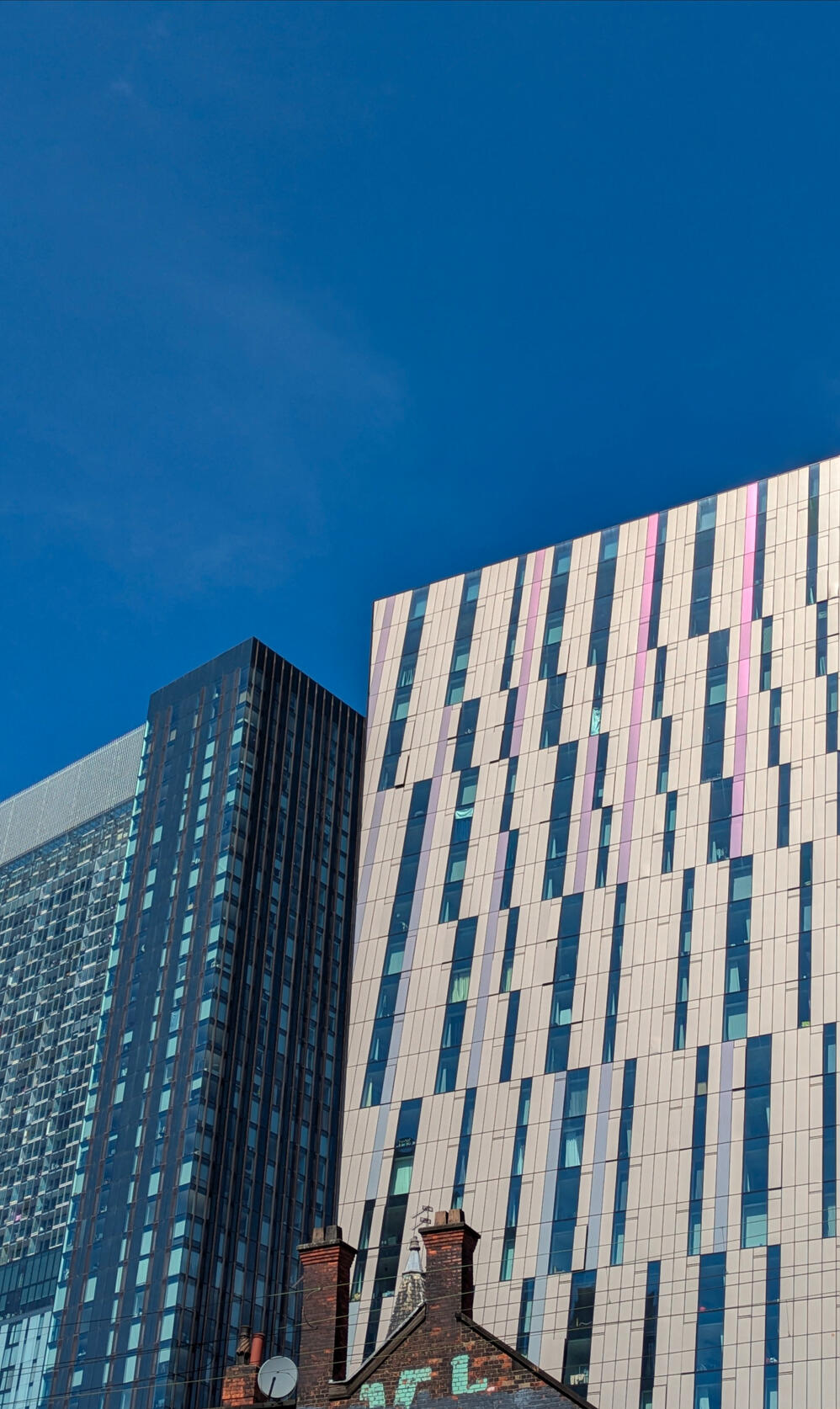
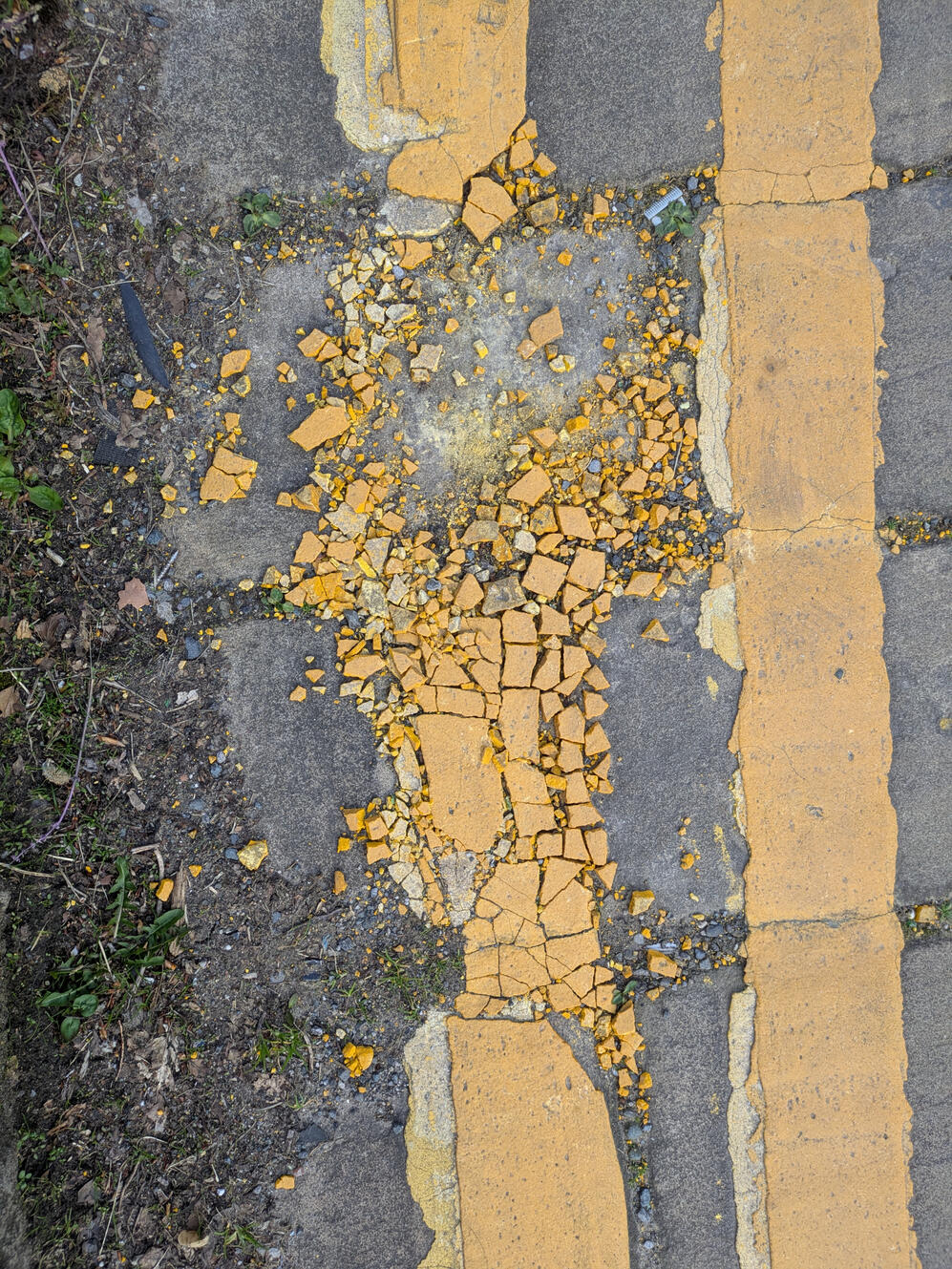
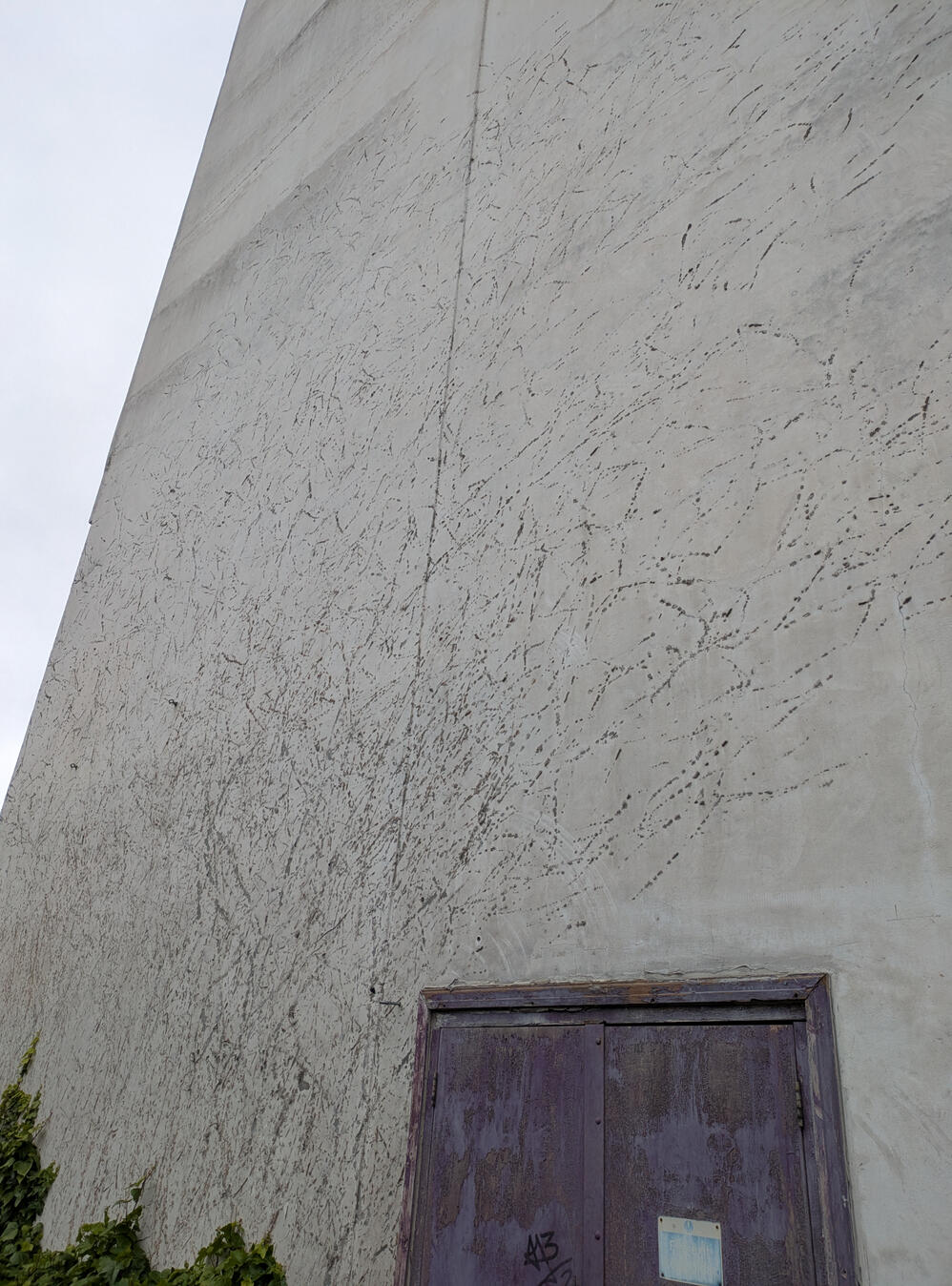
Solastalgia: grieving for a place that is still homeSolastalgia is a word for a feeling many people recognise but rarely name. It describes the distress that arises when the place you call home is changed in ways you did not choose and cannot control. Unlike nostalgia, which is homesickness for somewhere left behind, solastalgia is the ache of staying put while your surroundings alter around you.This distress might emerge as a result of changes to natural spaces (like noticing a decline in bird numbers), or the built environment (a neighbourhood reshaped by development). The landmarks can remain, but their setting and position shifts. What once provided comfort and identity begins to feel unfamiliar, even threatening. People often describe a sense of grief, helplessness or erosion of belonging, despite still living in the same location.Solastalgia matters because it highlights how deeply place is tied to wellbeing. Environmental change is not only physical or ecological; it also affects mental and emotional health. When landscapes change, people can feel that part of themselves has been diminished too.Naming solastalgia can be quietly powerful. It validates grief that might otherwise be dismissed as overreaction or sentimentality. Attending to solastalgia invites conversations about repair, connection and how we live well with the places that shape us, even in times of change.
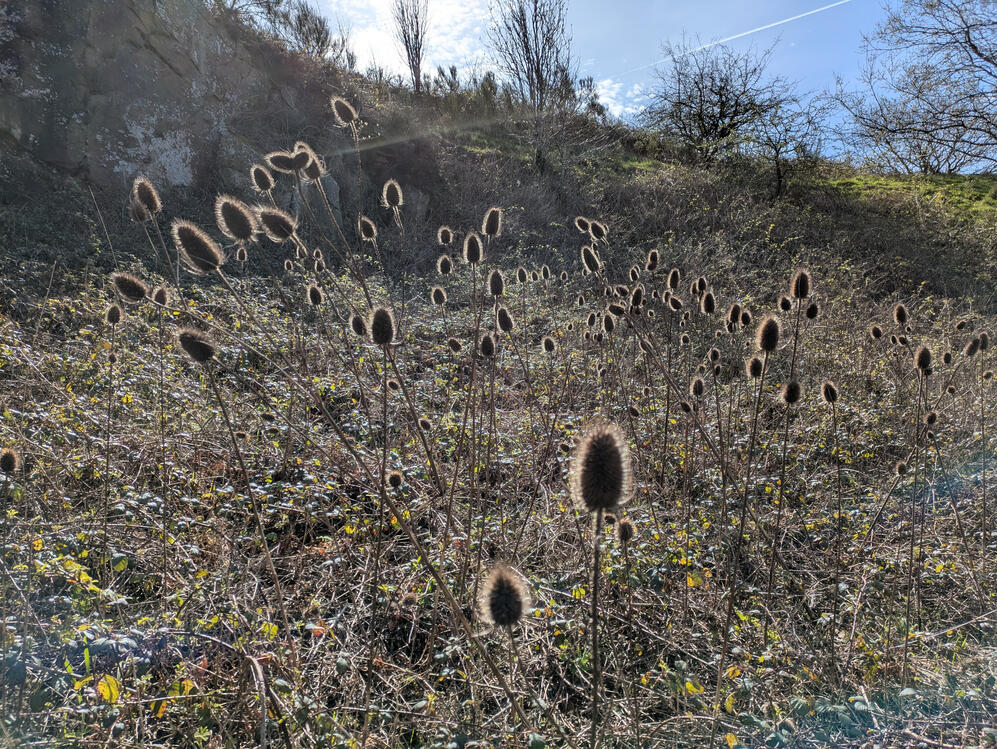
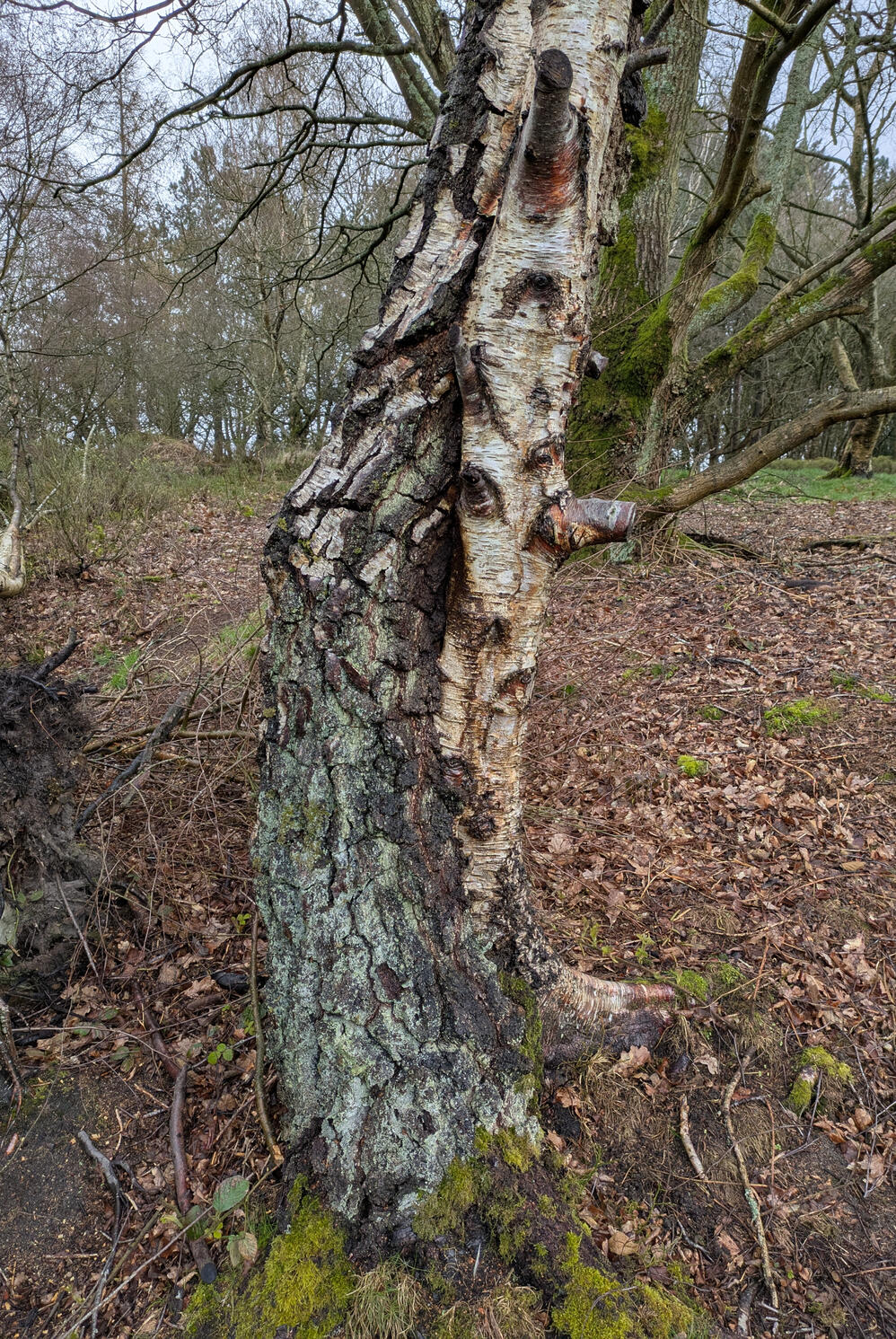
Ecology, spirituality and religionI come from a background in ecology. I’ve never followed any sort of religion and don’t believe in deities.However, I have been increasingly mindful of a need to put words to the sense of awe I feel when in natural spaces, particularly as a practising outdoor therapist. Part of this ‘itch’ to describe, has prompted reflections on whether ecology, spirituality and religion are on a continuum.From the reading I have done around ecopsychology, I find myself balancing two perspectives as descriptors of my situation. On one hand, there is Naturalistic Pantheism—a deep, rational awe for the scale of evolutionary logic and the laws of physics. On the other, there is Animism. My understanding is that while Pantheism views the "Divine" as the whole system, Animism is a more spiritually weighted step; it attributes a sense of "personhood" or agency to individual organisms. It’s the difference between admiring the forest's nitrogen cycle and feeling a direct, mutual relationship with a single, ancient Hawthorn. I have found myself shuttling backwards and forwards between these two positions, and I think I am comfortable doing so.Ultimately, this isn't about "spirits." It's about recognizing our biological interdependence. When we stop viewing ourselves as isolated observers (a position which I believe comes from a western capitalist/consumerist standpoint), we begin to develop a sense of what is known as our ‘ecological self’. The ecological self (a phrase first coined by Arne Næss in the 1970s) is the part of our identity that isn't contained by our skin, but is defined by our place within the wider web of life. Integrating this perspective into therapy isn't mystical; it’s a recognition of a reality where human health is inseparable from the health of the land we inhabit alongside all other things.But does a belief that wanders into the realms of spirituality mean that the step beyond that is ‘religion’ and organised religion, at that?
Public safety is an environmental issue.A significant factor that defines a person's relationship with their environment is the perceived safety of the spaces they inhabit. While the outdoors is often framed as a place of liberty, lived experiences of public space create a significant divide in how people interact with nature. By examining the disparity between perceived risk and statistical reality, we can better understand how the erosion of public safety for those that read as women in particular, ultimately threatens our collective environmental future.As a counsellor and environmentalist who promotes the significant value of being outside, it was only recently when someone interacting with a social media post of mine politely stated that they would never do therapy outside with a male counsellor, that I decided to explore the difference between the perception and reality of how safe outdoor spaces are.The Paradox of Perception and Reality
Combined data for 2020 and 2025 indicates that 8% of reported rapes of women and girls (and 13% of those offences on men and boys) occurred in public spaces or car parks (ONS, 2025a). Furthermore, when looking at broader violent crimes, only 28% of offenses against women occur outdoors; the number rises to 50% for men (ONS, 2025b).However, "safety" is not merely the absence of violent crime. When the lens widens to consider harassment, the picture darkens: 75% of women in London have experienced public harassment (ActionAid, 2016), a figure that, when considering the whole UK perspective, climbs to a staggering 97% among women aged 18–24 (UN Women UK, 2021). This epidemic of public harassment of women creates a hostile environment that validates women's fears, regardless of where the most serious violent crimes are statistically likely to occur.It is no surprise therefore that there is a profound gender gap in the perception of outdoor safety. According to 2022 ONS data, 16% of women feel unsafe in parks or open spaces during the day—more than triple the 5% reported by men. These areas, characterized by lower footfall than residential or commercial streets, are often viewed through a lens of vulnerability. As Barker et al. (2022) note, this isn't a nebulous fear; it is rooted firmly in "sexist attitudes and gendered violence" that define the female experience of public land.The Environmental Cost of Disconnection
This barrier to entry risks negative consequences for the planet. Research by Soga & Gaston (2016) and Whitburn et al. (2020) suggests that as urban living and digital saturation reduce our daily contact with nature, our "nature relatedness"—the emotional bond we feel with the living world—withers. When safety concerns restrict access to parks and commons, the environment ceases to be a tangible sanctuary and becomes a remote and almost abstract concept.The stakes are highest for the next generation. Studies by Rosa et al. (2018) and Evans et al. (2018) highlight that childhood exposure is the strongest predictor of adult environmentalism. Without the freedom of "wild" play, children develop a lower emotional affinity for nature that classroom learning simply cannot replace (Otto & Pensini, 2017). Effectively, if we do not feel safe enough to physically interact with the outdoors, we lose the internal compass that drives us to protect it.Conclusion: A Crisis of Preparedness
As of 2026, the UK’s preparations for climate change remain critically inadequate (CCC, 2026). We find ourselves in a race against time where environmental advocacy is more vital than ever, yet a significant portion of the population is being culturally and psychologically "locked out" of the natural world due to systemic safety concerns. To foster a society capable of meeting the climate crisis, we must recognize that public safety is an environmental issue. We cannot expect a population to fight for a natural world they have been conditioned to fear or avoid. Securing our parks and streets from gendered violence is not just a matter of social justice—it is a prerequisite for building the emotional resilience and "nature relatedness" required to survive and thrive in an era of ecological uncertainty.So what do we do? Men need to support the work of the likes of Any Watson at HASSL and show up and challenge when witness to harassment of women, to undo its normalisation. Landscape Architects should listen to organisations like Make Space for Girls which works for parks and public spaces that make girls feel valued, included and ultimately willing to use them because they feel safe. Telling women and girls what to do to try and keep safe is victim blaming and shamefully ignoring where the real efforts should be put.
References
ActionAid (2016) Fearless: Women’s shared experiences of street harassment and violence. London: ActionAid UK. Available at: https://www.actionaid.org.uk/publications/fearless-womens-shared-experiences-of-street-harassment-and-violence (Accessed: 16 March 2026).Barker, A. Holmes, G. Alam, R. Cape-Davenhill, L. Osei-Appiah, S. and Warrington Brown, S. (2022) What Makes a Park Feel Safe or Unsafe? The views of women, girls and professionals in West Yorkshire. University of Leeds, Leeds. DOI: 10.48785/100/108Climate Change Committee (2025) Progress in adapting to climate change: 2025 report to Parliament. London: Climate Change Committee. Available at: https://www.theccc.org.uk/publication/progress-in-adapting-to-climate-change-2025/ (Accessed: 16 March 2026).Evans, G.W., Otto, S. and Kaiser, F.G. (2018) ‘Childhood Origins of Young Adult Environmental Behavior’, Psychological Science, 29(5), pp. 679–687. doi: 10.1177/0956797617741894.Office for National Statistics. 2022. Perceptions of personal safety and experiences of harassment, Great Britain: 16 February to 13 March 2022. Available from: https://www.ons.gov.uk/peoplepopulationandcommunity/crimeandjustice/bulletins/perceptionsofpersonalsafetyandexperiencesofharassmentgreatbritain/16februaryto13march2022Office for National Statistics (2025a), Nature of sexual assault by rape or penetration, England and Wales: year ending March 2025. Available at: https://www.ons.gov.uk/peoplepopulationandcommunity/crimeandjustice/articles/natureofsexualassaultbyrapeorpenetrationenglandandwales/yearendingmarch2025 (Accessed: 16 March 2026)Office for National Statistics (2025b) Nature of crime: violence. Available at: https://www.ons.gov.uk/peoplepopulationandcommunity/crimeandjustice/datasets/natureofcrimetablesviolence (Accessed: 16 March 2026)Otto, S. and Pensini, P. (2017) ‘Nature-based environmental education of children: Environmental knowledge and connectedness to nature, together, predict pro-environmental behavior’, Global Environmental Change, 43, pp. 88–94. doi: 10.1016/j.gloenvcha.2017.01.009.Rosa, C.D., Profice, C.C. and Collado, S. (2018) ‘Nature Experiences and Adults’ Self-Reported Pro-environmental Behaviors: The Role of Connectedness to Nature and Childhood Nature Experiences’, Frontiers in Psychology, 9, p. 1055. doi: 10.3389/fpsyg.2018.01055.Soga, M. and Gaston, K.J. (2016) ‘Extinction of experience: the loss of human–nature interactions’, Frontiers in Ecology and the Environment, 14(2), pp. 94–101. doi: 10.1002/fee.1225.UN Women UK (2021) Prevalence and reporting of sexual harassment in UK public spaces. London: UN Women UK. Available at: https://www.unwomenuk.org/site/wp-content/uploads/2021/03/APPG-UN-WomenSexual-Harassment-Report2021.pdf (Accessed: 16 March 2026).Whitburn, J., Linklater, W.L. and Abrahamse, W. (2020) ‘Meta‐analysis of human connection to nature and pro‐environmental behavior’, Conservation Biology, 34(1), pp. 180–193. doi: 10.1111/cobi.13381.
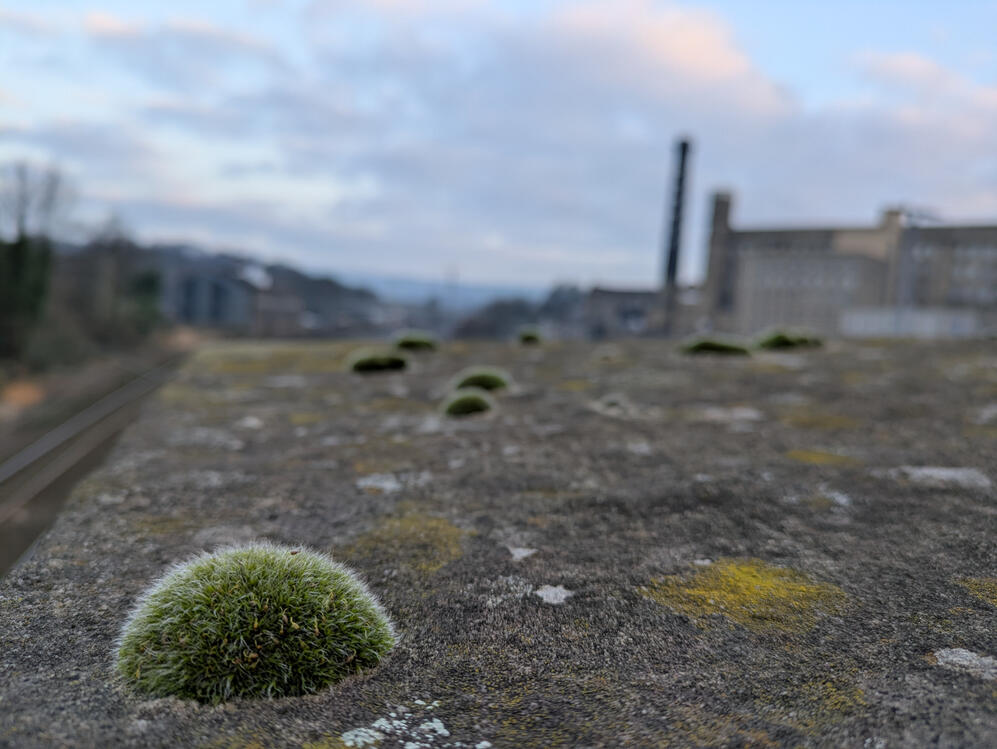
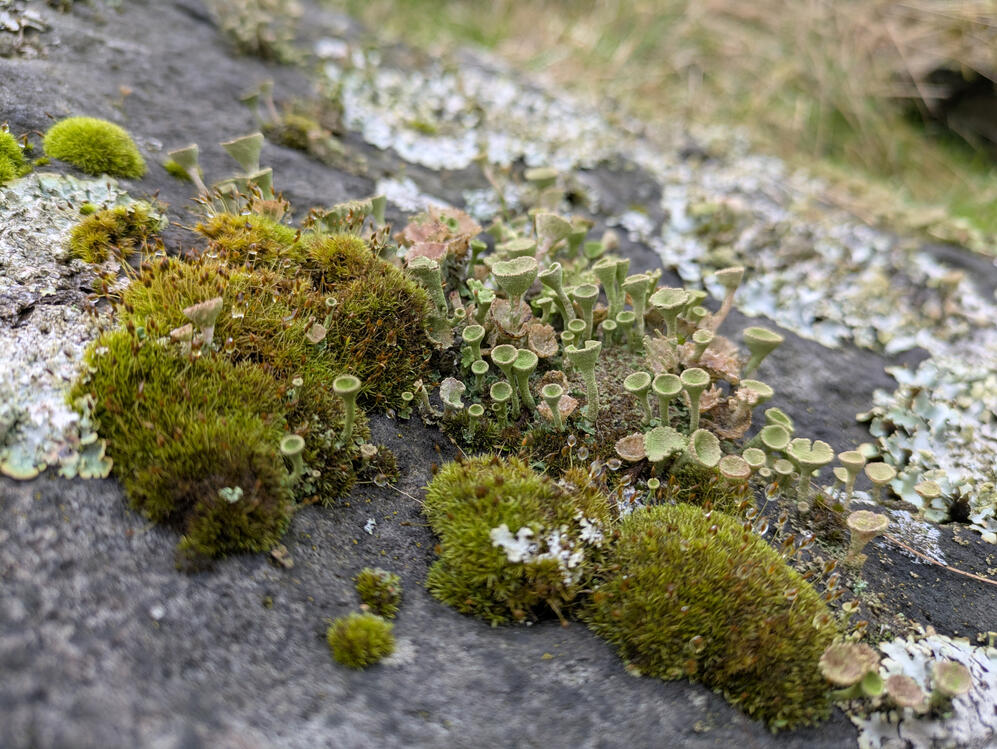
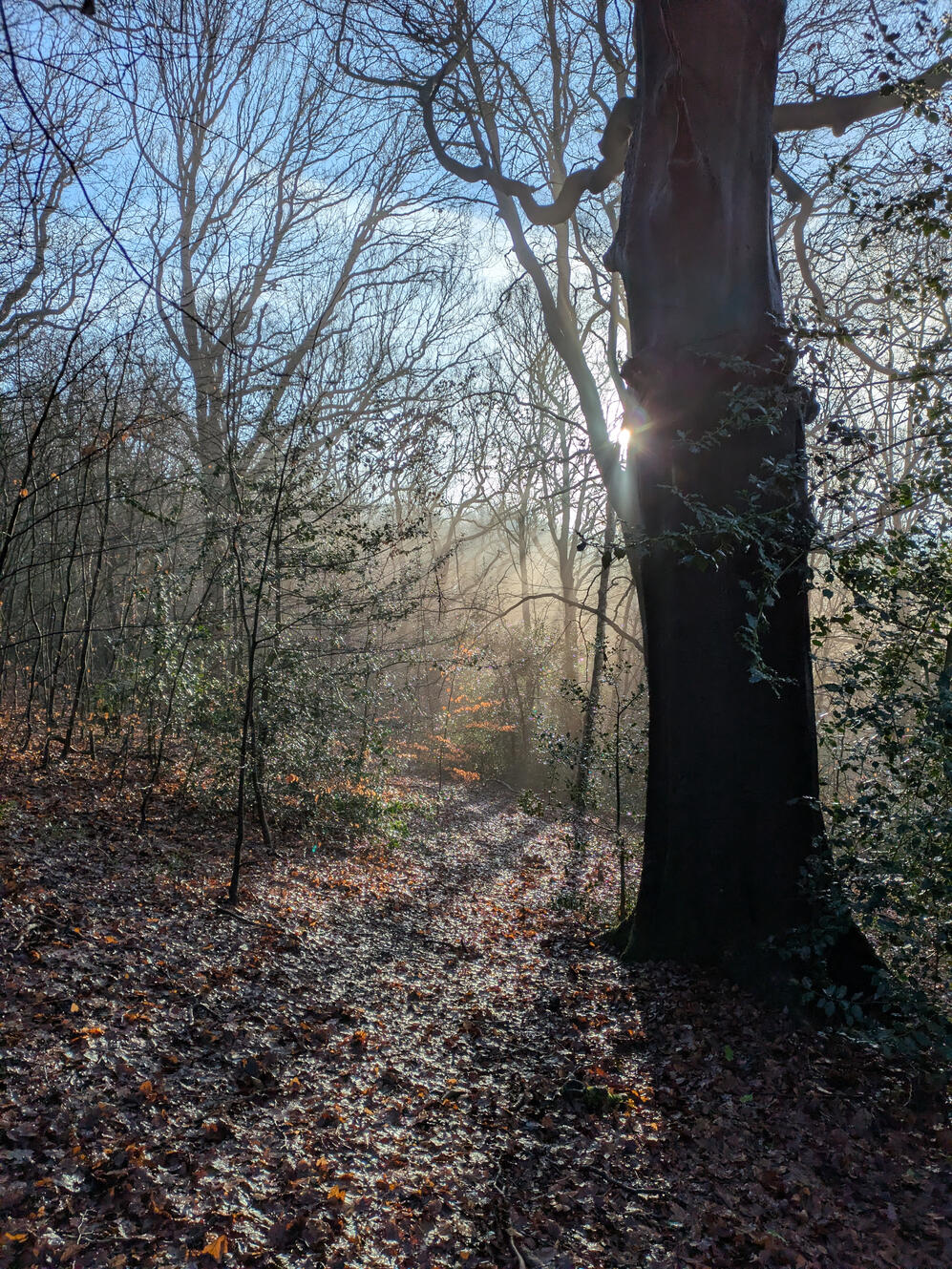
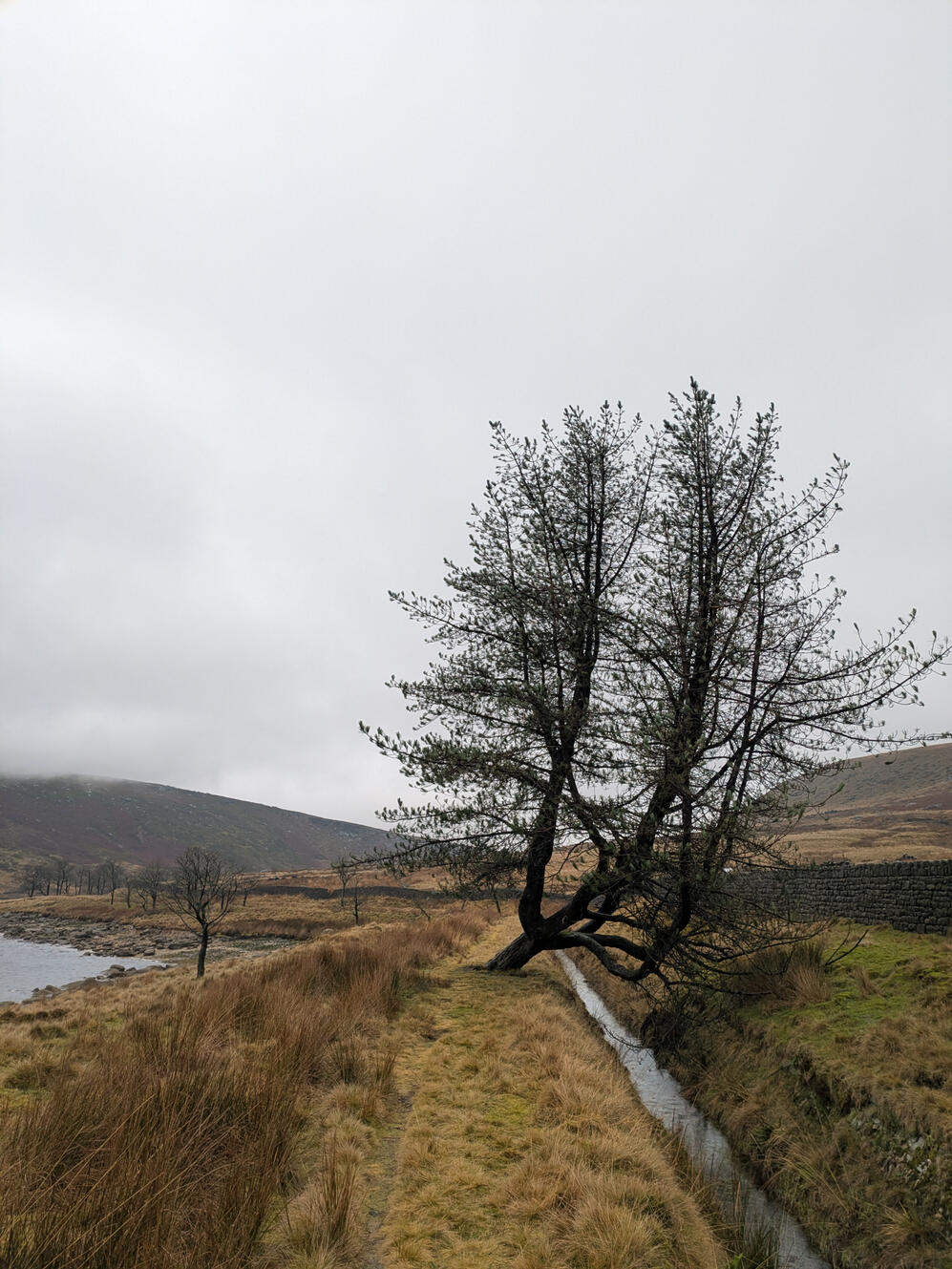
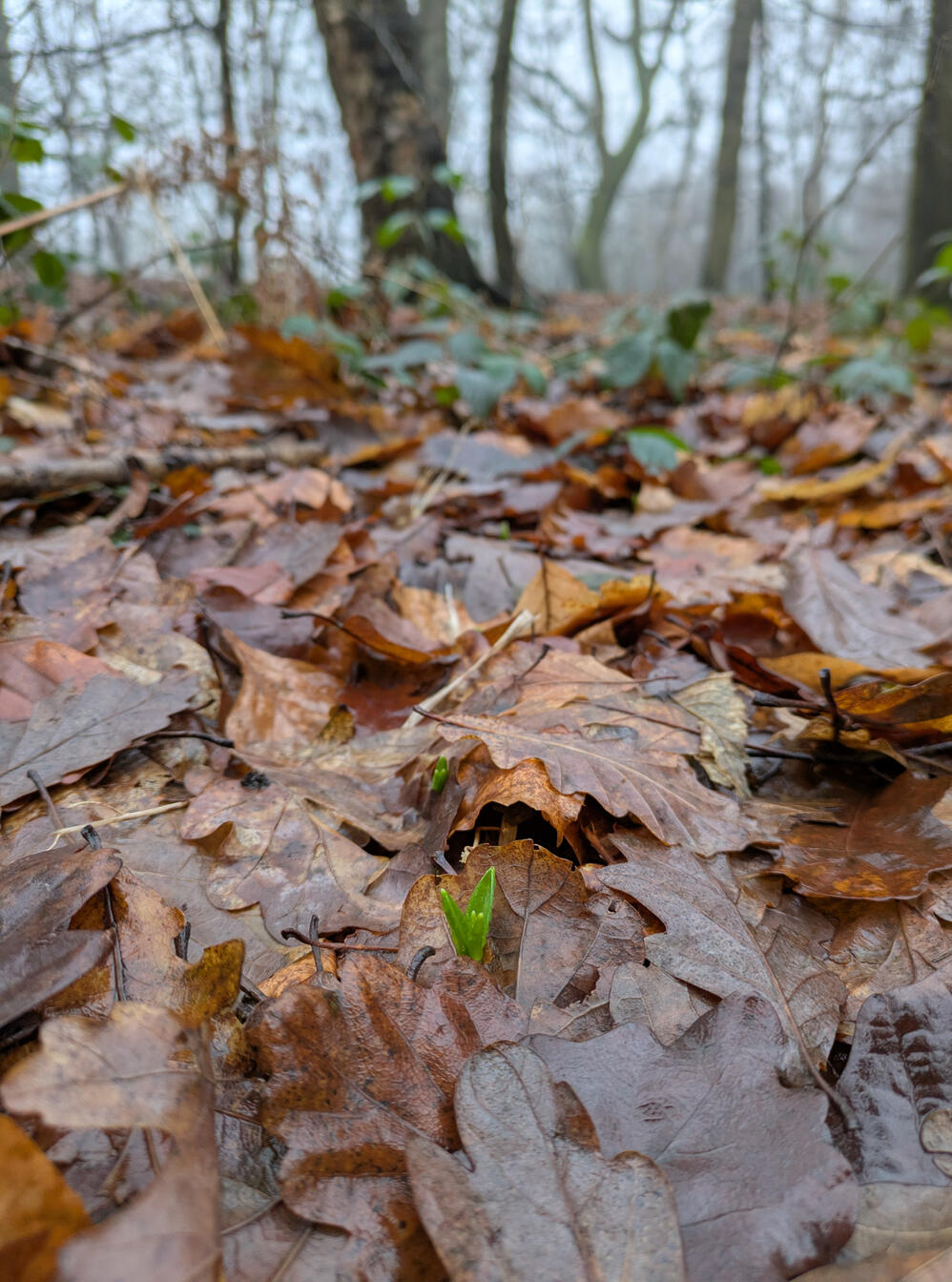
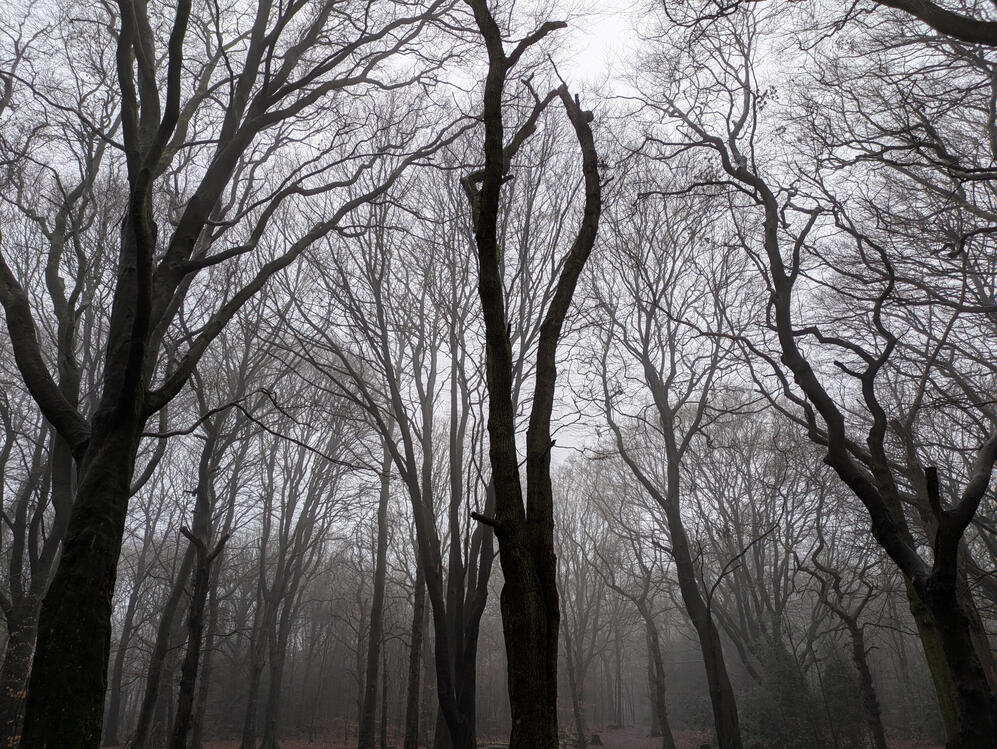
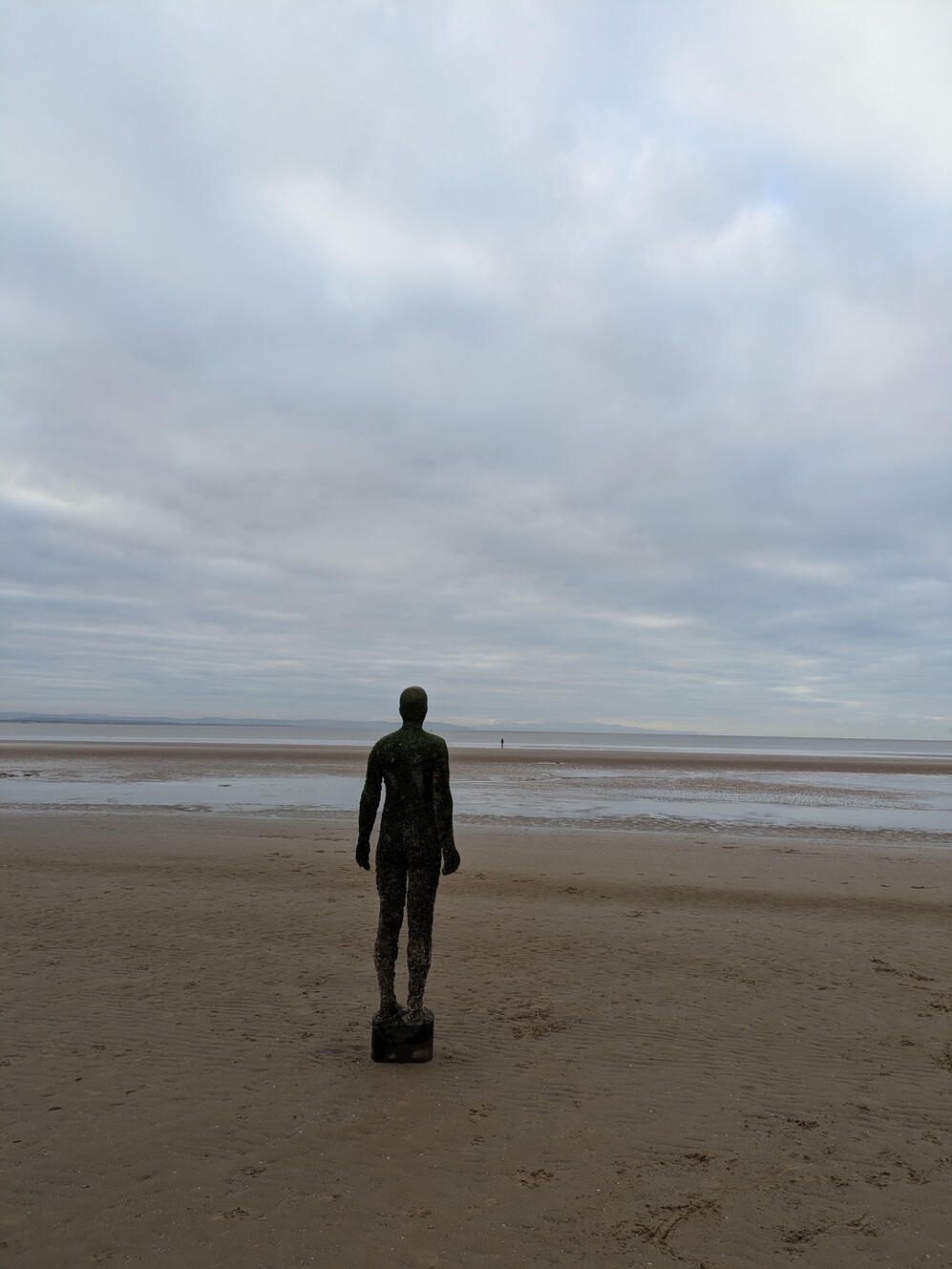
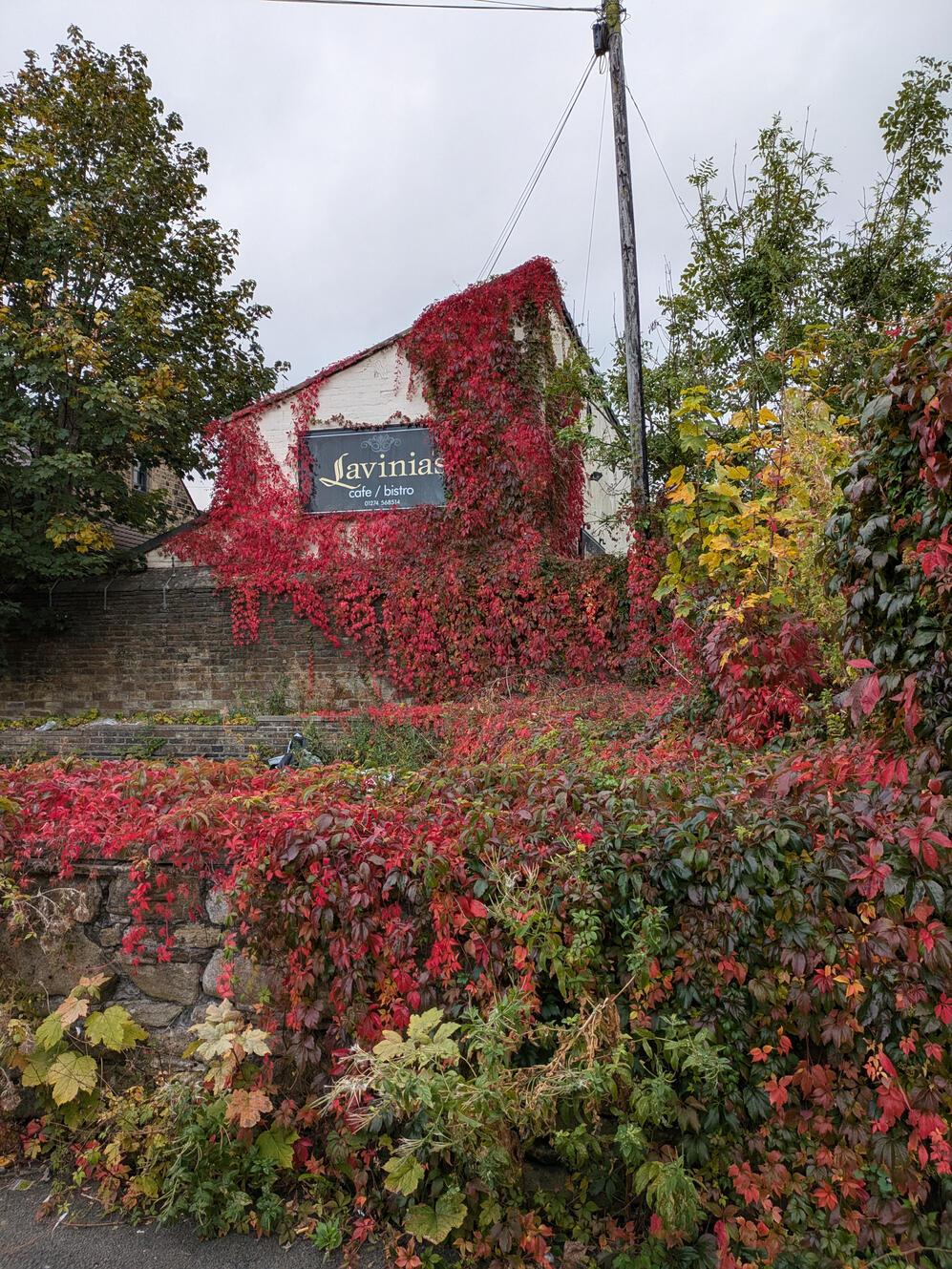
From a woodland...The crackle of a jay,
And then the smooth pulses of a gull,
take me to a different place.
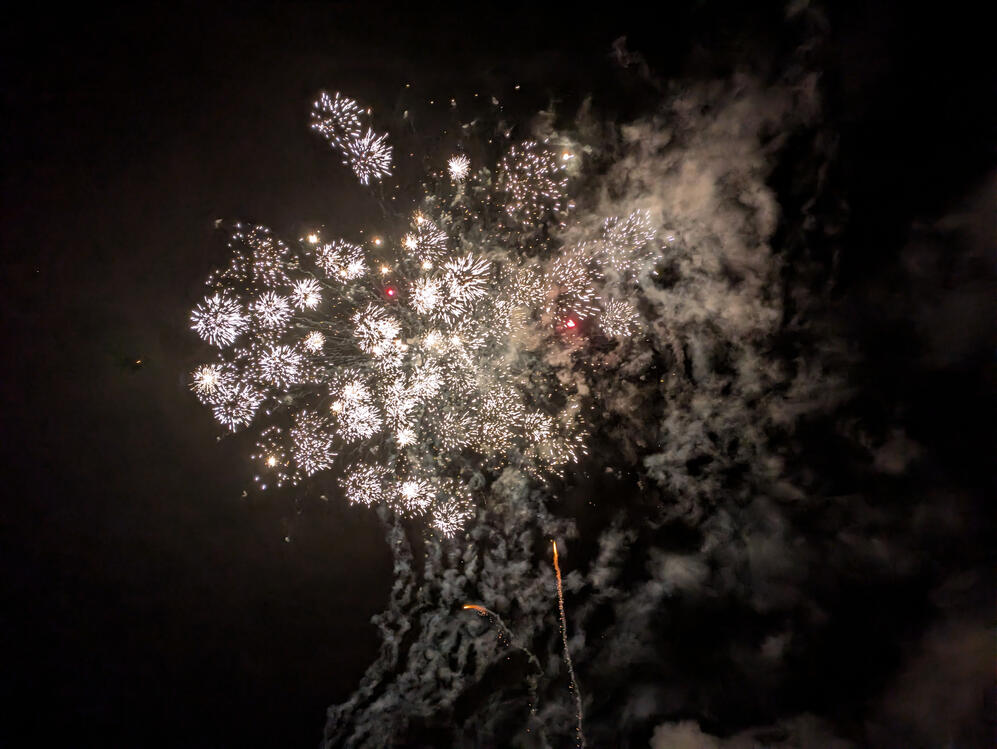
MorningA clean moon.
Between remnants of a bonfire sky.
Drifting mist creating tangible depth,
and interest with comfort.
Bird song & natural soundscapesSome papers on the wellbeing benefits of natural soundscapes, of various kinds:https://pubmed.ncbi.nlm.nih.gov/36229489/
https://www.proquest.com/openview/7a8c1db681a200e18563fc94caca1ffe/1?pq-origsite=gscholar&cbl=51922
https://pmc.ncbi.nlm.nih.gov/articles/PMC7459586/https://www.sciencedirect.com/science/article/pii/S1618866721002806
https://www.sciencedirect.com/science/article/abs/pii/S0048969724011914https://www.researchgate.net/publication/370744824BirdSoundsPsychologicalRestorativeEffectonTheVisitorsofBogorBotanicalGarden -During a recent woodland meditation, I found myself paying particular attention to birdsong. This wasn’t accidental. A few days earlier I’d been part of a social media exchange about the wellbeing benefits of listening to birds.
What struck me most was the sheer richness and diversity of sound. Some songs were bright and melodic, others rhythmic and insistent, others so subtle they were almost a memory of sound. Together they formed a layered, living soundscape that felt both calming and quietly energising.A quick internet search turned into a deep dive into a rabbit hole around the science of birdsong and wellbeing. One study caught my eye: bird sounds associated with positive scenarios are perceived as more restorative than those linked to negative ones. Apparently crows have a bad rap — their calls are often rated as less soothing, possibly thanks to cultural associations & experience rather than the sound itself.